Whitefly
Botanical & Biological Controls For Whiteflies
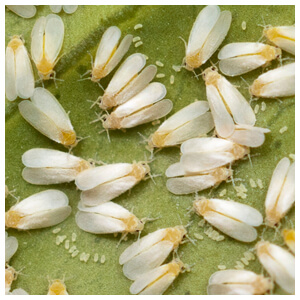
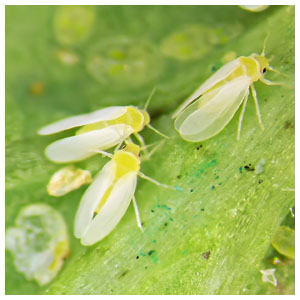
Whiteflies ("whitefly" or "white fly") are common pests of indoor crops, greenhouses and tomatoes. Seasonal pests in most outdoor areas, whiteflies can be found year-round in southern states or enclosed growing areas (greenhouses, hoop houses, grow tents). Their rapid reproduction rate makes them difficult to control once established. Many varieties have also developed chemical resistances, making certain chemical controls ineffective. In addition to the physical damage they cause, whitefly infestations and the honeydew they produce can harbor sooty molds that reduce plant vigor causing unnecessary stress to the plant and the grower.
Identification & Prevention:
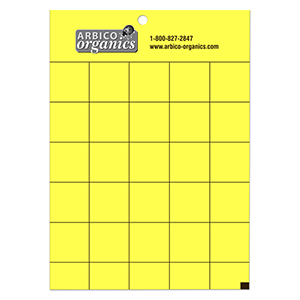
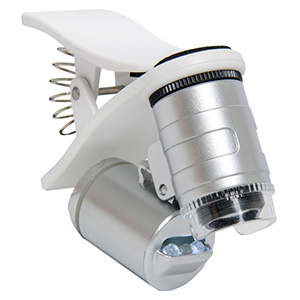
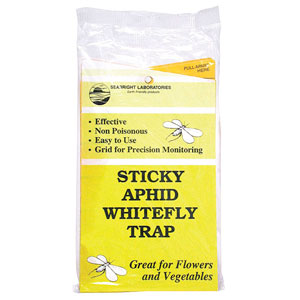
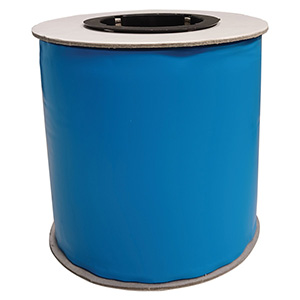
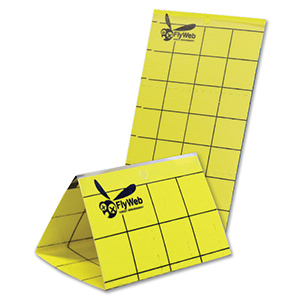
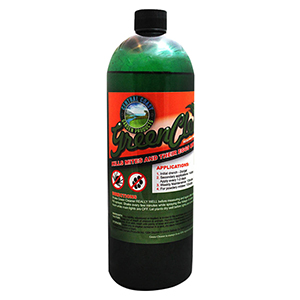
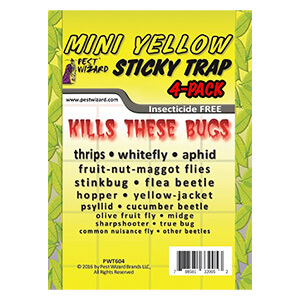
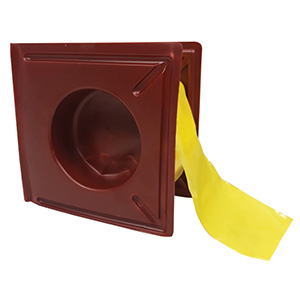
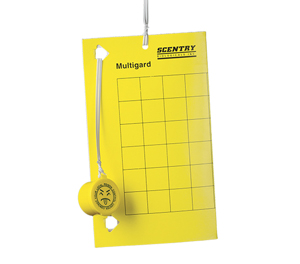
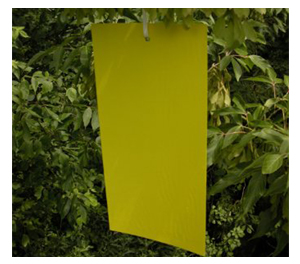
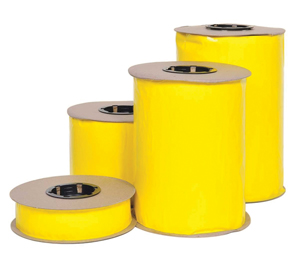
Growers often spot them by the plume of whiteflies that take flight after disturbing an infested plant. By this point, control is difficult to achieve. Early identification can be done by placing yellow sticky traps around the growing area (pay attention to susceptible crops) and monitoring the undersides of leaves. Whiteflies tend to cluster and are much easier to spot in groups. Another indicator that whiteflies are around is honeydew on the leaves. It appears shiny and is sticky to the touch. Remove honeydew by wiping leaves with Green Cleaner or a diluted alcohol solution.
How To Control A Whitefly Problem:
- Carefully inspect new plants before transplanting. Dip foliage and root ball in soapy water to clean and kill any existing whitefly eggs, nymphs or adults.
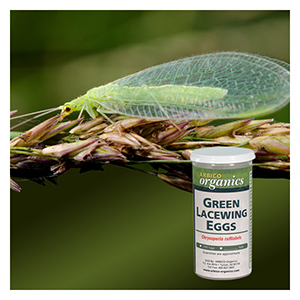
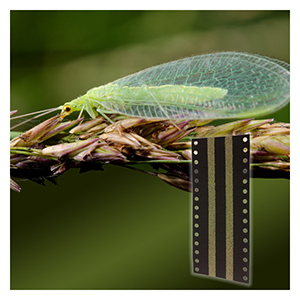
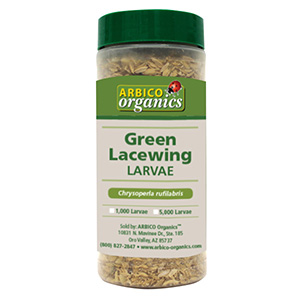
- Release Green Lacewing early in the season so larvae can feed on whitefly eggs or nymphs before the infestation becomes severe.
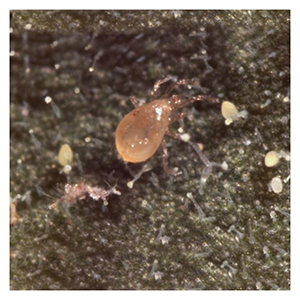
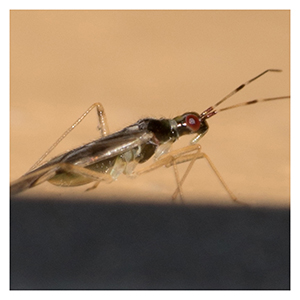
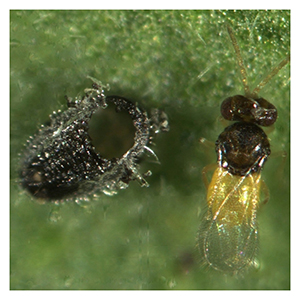
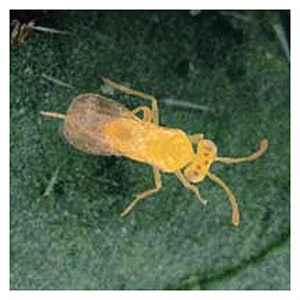
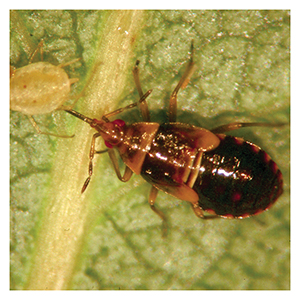
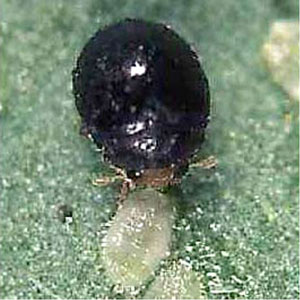
- For high whitefly populations, release specialized predators & parasites for best control. E. formosa and E. eremicus are species-specific parasites effective in many environments. A. swirkii are predatory mites effective in warm, humid areas.
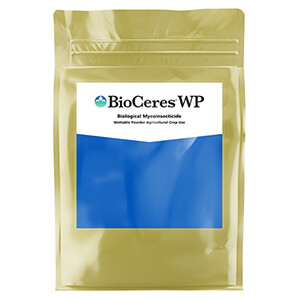
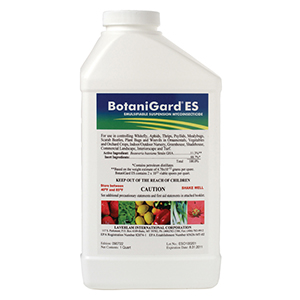
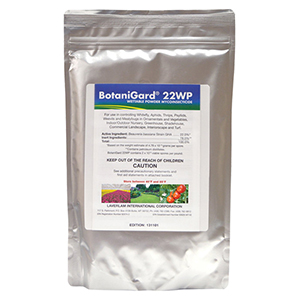
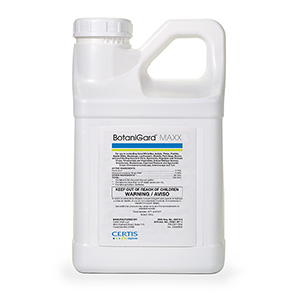
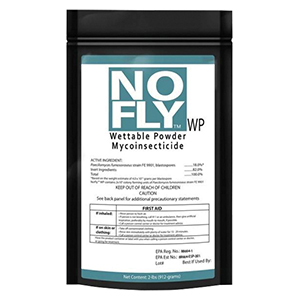
- Beauveria bassiana sprays (BotaniGard 22WP, BioCeres WP) are effective for ongoing control of whiteflies in gardens or commercial growing. They use the fungus to slow feeding/reproduction and kill the infected pests. Using biorational control sprays also helps limit environmental impacts on non-target organisms like bees and pollinators.
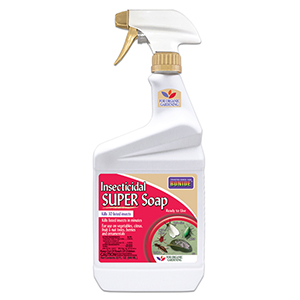
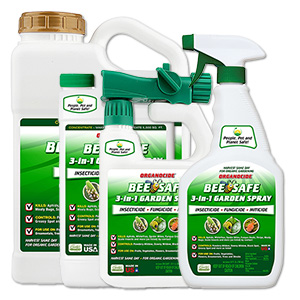
- If necessary, knockdown sprays of contact insecticides will quickly reduce whitefly numbers. Repeat applications may be necessary as most sprays have little residual impact.
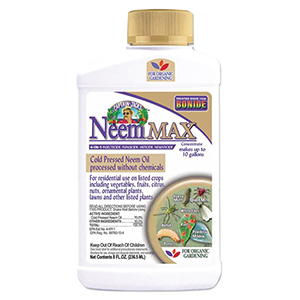
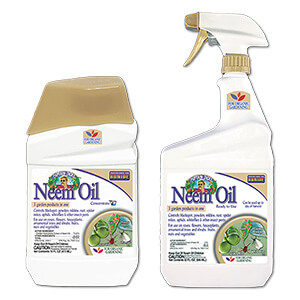
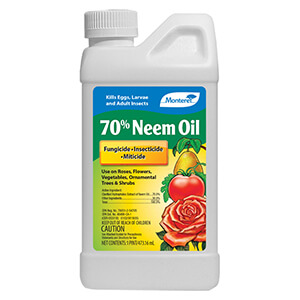
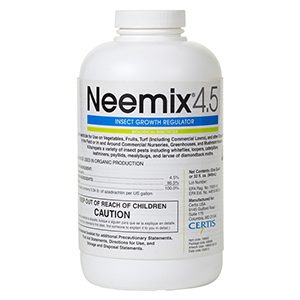
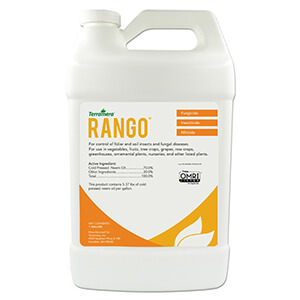
- Neem Oil is a growth and feeding inhibitor commonly used by organic gardeners for general pest control.
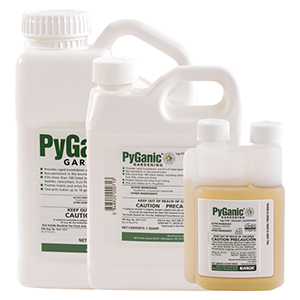
- Pyrethrins sprays are excellent for rapid reduction of large pest populations, but should not be applied to flowering plants.
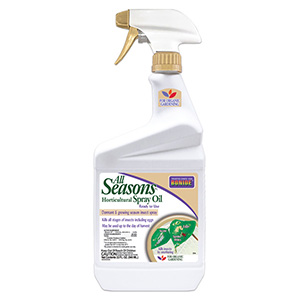
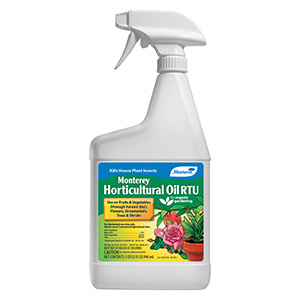
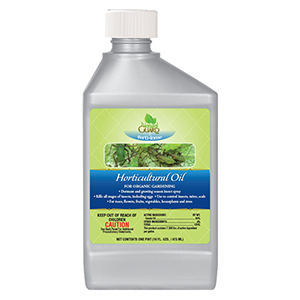
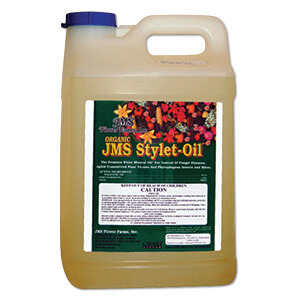
- Horticultural Oils are an effective knockdown for use in-season and for controlling overwintering or dormant life stages.
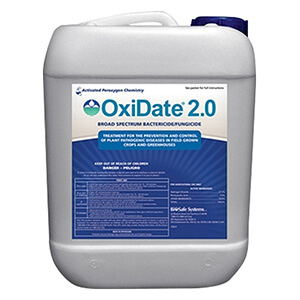
- Make sure to clean everything in the greenhouse with OxiDate or SaniDate between growing seasons. Soil drenches may be needed to control overwintering pests and/or diseases.
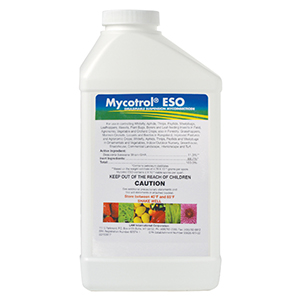
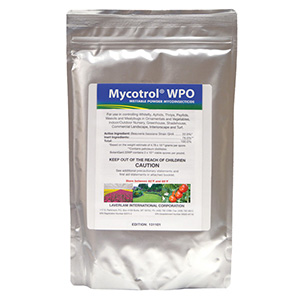
Learn more about controlling whiteflies or browse control options below.
-
$25.00–$262.50
-
$4.99–$87.50
-
$27.00–$6,000.00
-
$30.00–$100.00
-
$26.00–$180.00
-
$68.00–$500.00
-
-
$30.00–$60.00
-
$94.95
-
$53.00–$154.00
-
$50.00–$190.00
-
-
$21.99
-
$38.35–$150.08
-
-
$23.99
-
-
$275.00–$2,495.00
-
$90.00–$972.00
-
$10.99
-
$60.00–$115.00
-
$110.00–$1,296.00
-
$95.00–$1,026.00
-
-
$13.99–$20.99
-
-
$11.97–$34.99
-
$115.00–$1,314.00
-
$615.00
-
$12.99–$24.95
-
$125.00–$225.00
-
$260.00–$936.00
-
$80.00–$1,026.00
-
$150.00–$270.00
-
$12.99–$23.99
-
$12.99–$23.99
-
$16.99–$39.99
-
$16.99–$39.99
-
$302.00
-
$18.00–$65.00
$13.75–$45.00 -
$288.00–$1,555.20
-
$11.00
-
$73.80–$3,005.00
-
$15.95
-
$11.99–$299.99
-
$12.99–$139.99
$12.99–$99.00 -
-
$365.00–$420.00
-
$149.00–$1,149.00
-
$194.17
-
$6.99–$29.95
-
-
$31.49–$58.79
-
$10.99–$32.49
$6.00–$32.49 -
-
$14.99–$144.49
-
$350.00–$975.00
-
$123.00–$1,422.00
-
$125.00–$1,350.00
-
$19.99
$15.00 -
$270.00
-
$67.78–$2,169.50
-
-
$12.21–$190.26
-
$38.50–$4,350.00
-
$8.99–$1,029.00
$5.50–$1,029.00 -
$230.00–$340.00
-
$280.00
-
$35.00–$350.00
-
$35.00–$285.00
-
$34.95–$395.98
-
-
$99.00–$178.50
-
$7.99–$380.00
-
$7.99–$380.00
-
$12.00–$57.50
-
$3.95–$14.75
-
$5.49–$45.00
-
$22.99–$131.95
-
$93.00
-
$32.97–$118.33
-
$50.00–$9,600.00