
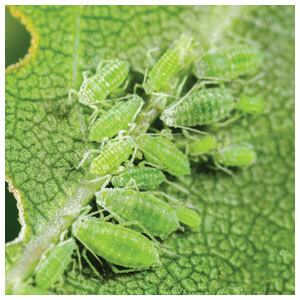
Aphids
How To Control Aphids Organically
Aphids, family name Aphididae, are a common pest to gardeners, commercial growers and greenhouses due to their wide species diversity and rapid reproductive cycle. There are some 1,351 species of aphids currently recorded in the US and Canada, of which about 80 species are pests of food crops and ornamental plants. Most get their names from the plants they attack, i.e. the green peach aphid, the cabbage aphid, or the rose aphid.
Identification & Appearance:
Aphids are slow moving and come in shades of green, red, brown, black and yellow. Their oblong bodies have two small tubes, called cornicles, projecting from their rear that are unique to them. These allow aphids to get rid of excess sugar in the form of honeydew. They have needlelike mouthparts which they use to suck juices out of plants. Aphids do not chew. If you notice chewing damage on a plant, look to identify a different culprit.
Aphid Damage:
Each plant reacts differently to aphid attacks. Some show no adverse response to aphids, while others react with twisted, curled or swollen leaves and/or stems. Symptoms of aphid damage include decreased growth rates, mottled leaves, leaf yellowing, stunted growth, browning, wilting, low yields and death. Due to the way they feed, aphids can vector bacterial and viral diseases, which can be much more difficult to control than the aphid population. For instance, the green peach aphid (Myzus persicae) is a vector for more than 110 plant viruses.
One of the most common annoyances caused by aphids is their excessive waste production, called "honeydew". This sticky substance drips onto plant leaves and stems and can harbor fungal diseases like powdery mildew and Black Sooty Mold. These can leave plants with unsightly patches and limit growth potential. Once the aphids are eliminated, the foliar fungal diseases often dry up and die.
5-Step Aphid Control:
1.) Trap & Monitor
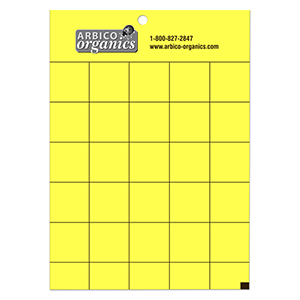
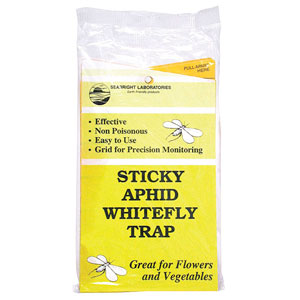
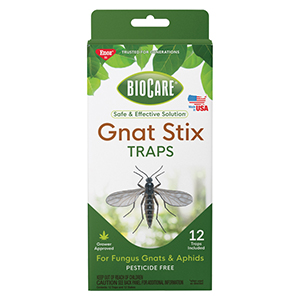
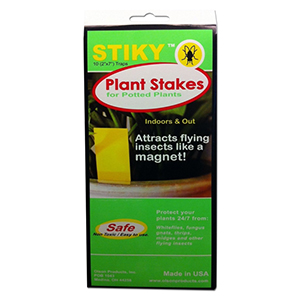
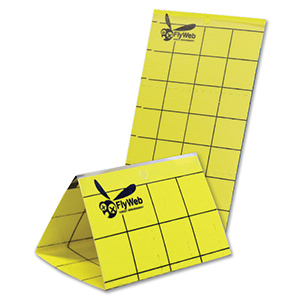
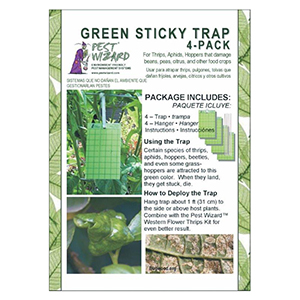
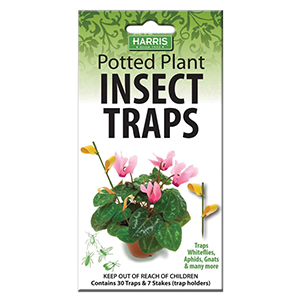
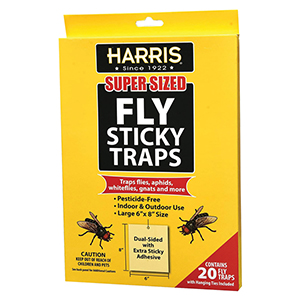
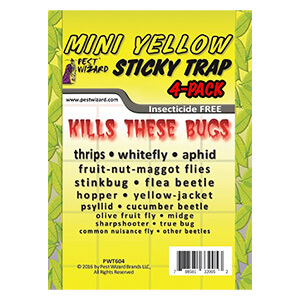
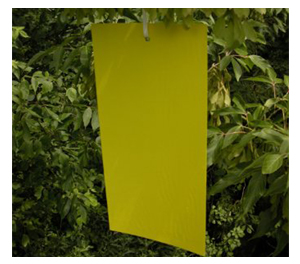
- Yellow Sticky Traps work well for outdoor and potted plants where localized monitoring is desired.
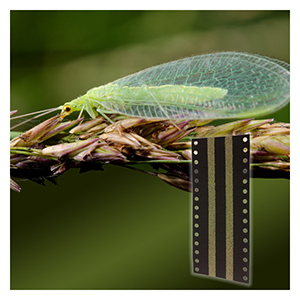
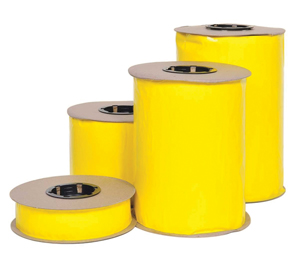
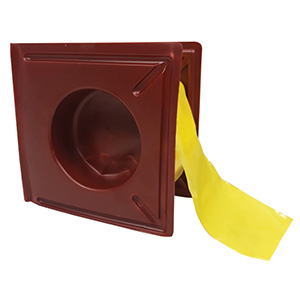
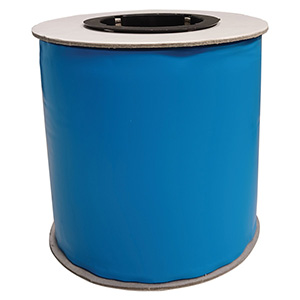
- Ribbon Traps are best for row crops and greenhouse settings. They save time and energy while giving thorough coverage.
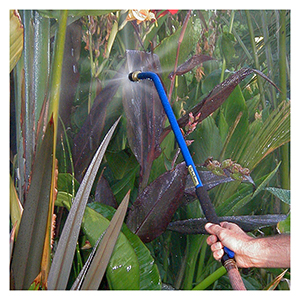
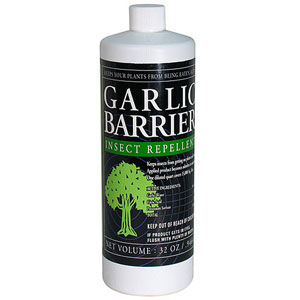
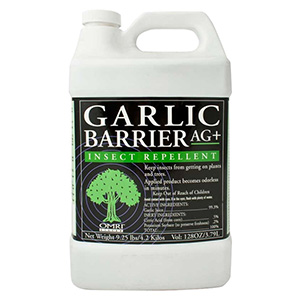
- Broadcast spray Garlic Barrier for small or large scale applications. It gives broad spectrum insect repellent action with limited contact effects.
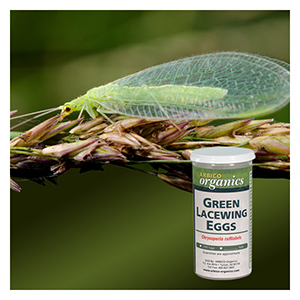
- Effective releases of Green Lacewing limit aphid population growth and can control moderate pest issues in a garden or farm. For severe infestations, consider an aphid parasite (listed below).
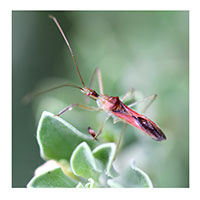
- Assassin Bugs are less affected by heat than ladybugs and are effective aphid predators. Like other predators & parasites, release assassin bugs at the first sighting of aphids.
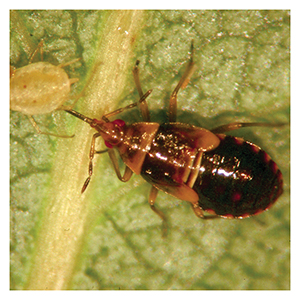
- If you need a fast-feeding beneficial, Minute Pirate Bugs are best. They continue to control insects after feeding making them reliable for curbing population growth.
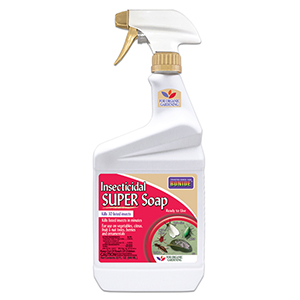
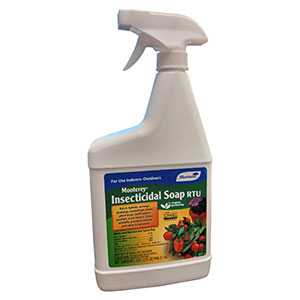
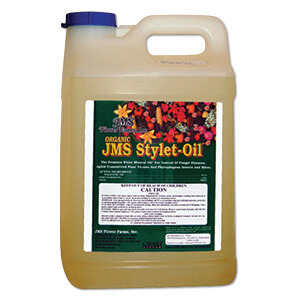
- Insecticidal Soap sprays should be used early in the season before high aphid numbers are spotted. Minimize impacts on existing beneficials with these residue-free sprays. Low risk to beneficial insects when sprayed carefully.
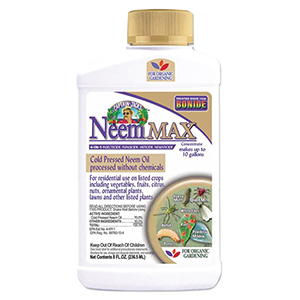
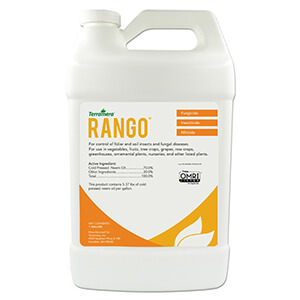
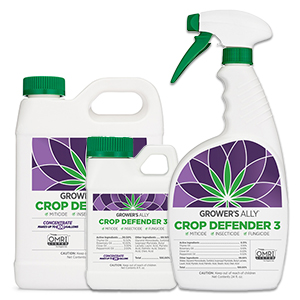
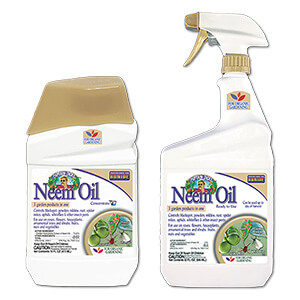
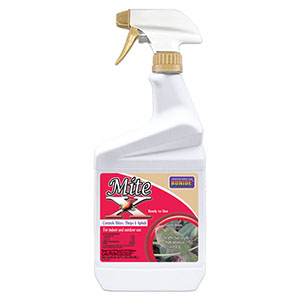
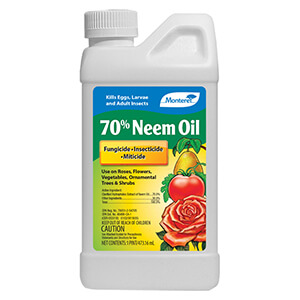
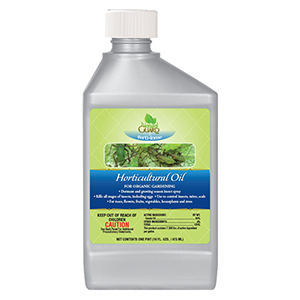
- Neem Oil acts as a growth and feeding inhibitor while preventing respiration. Use as a contact insecticide for moderate infestations. High risk to beneficial insects in the growing area.
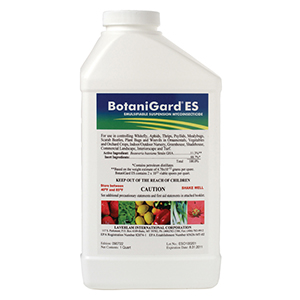
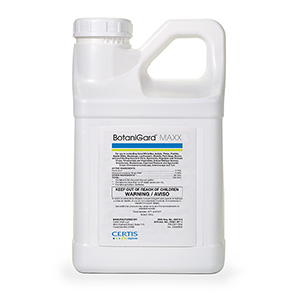
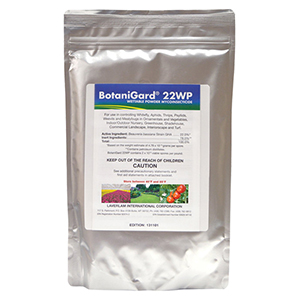
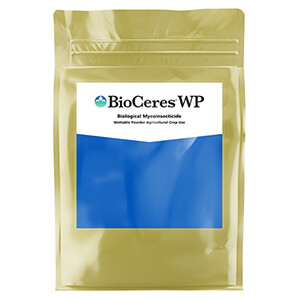
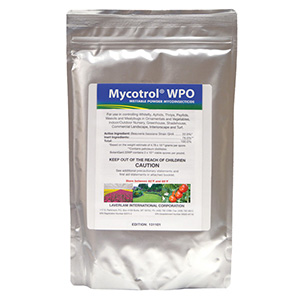
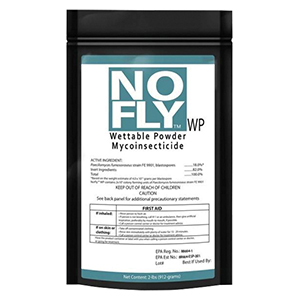
- BotaniGard 22WP should be applied to affected crop area to control ongoing aphid issues. It uses Beauveria bassiana to infect aphids, spreading White Muscardine disease throughout the pest populations. Provides longer term control than chemical sprays. Low risk to beneficial insects.
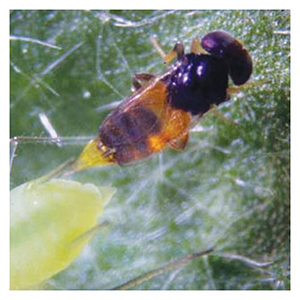
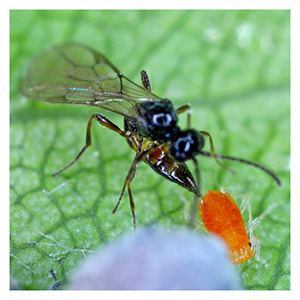
- Aphidius colemani are most effective between 70° - 77°F. They require two weeks for development and up to 200-300 aphids are attacked by each female. Fertilized eggs develop into females and non-fertilized eggs develop into males. The female has a pointed abdomen, while the male's abdomen is round-shaped.
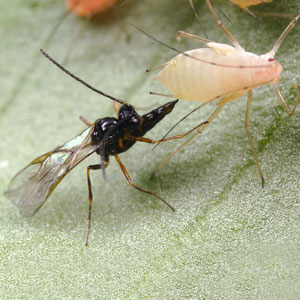
- Aphelinus abdominalis like temperatures beginning at 68°F. They are very versatile because they parasitize a wide range of aphid species and work effectively in fields and greenhouses.
- Aphidius ervi consume larger aphids and prefer temperatures between 65° to 77°F with relative humidity of 60-80%. They work at higher temperatures but show a decline in activity at temperatures above 86°F.
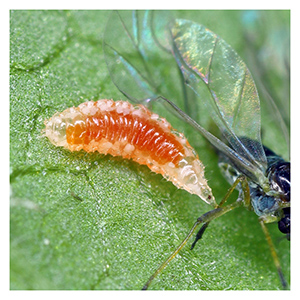
- Aphidoletes aphidimyza controls aphids including the green peach aphid as well as the hemlock wooly adelgid. A. aphidimyza prefers greenhouse and indoor environments with temperatures 60-77° with relative humidity of 70%.
-
$25.00–$262.50
-
$27.00–$6,000.00
-
$30.00–$100.00
-
$83.00–$235.00
-
$60.00–$250.00
-
$43.00–$340.00
-
$65.00–$550.00
-
$53.00–$154.00
-
$4.99–$87.50
-
-
$50.00–$9,600.00
-
$5.99–$21.56
-
$3.95–$14.75
-
-
$12.00–$57.50
-
-
$21.99
-
$15.82–$5,106.00
-
$23.99
-
-
$19.99–$1,297.00
-
$275.00–$2,495.00
-
$38.35–$150.08
-
$16.99–$24.99
-
$13.99–$20.99
-
$12.99–$23.99
-
$269.99
-
$34.95–$395.98
-
$12.99–$139.99
-
$60.00–$115.00
-
-
-
$11.97–$34.99
-
$110.00–$1,296.00
-
$115.00–$1,314.00
-
$95.00–$1,026.00
-
$5.49–$9.99
-
$90.00–$972.00
-
$615.00
-
$12.99–$24.95
-
$125.00–$225.00
-
$260.00–$936.00
-
$750.00–$2,700.00
-
$80.00–$1,026.00
-
$150.00–$270.00
-
$12.99–$23.99
-
$16.99–$39.99
-
$16.99–$39.99
-
$302.00
-
$18.00–$65.00
$13.75–$45.00 -
-
$288.00–$1,555.20
-
$11.00
-
$15.95
-
$73.80–$3,005.00
-
$162.00–$500.00
-
$6.99
-
$12.99–$139.99
$12.99–$99.00 -
-
-
$149.00–$1,149.00
-
$194.17
-
$153.00–$275.40
-
$6.99–$29.95
-
$350.00–$975.00
-
$31.49–$58.79
-
$10.99–$32.49
$6.00–$32.49 -
-
$14.99–$144.49
-
$12.99–$129.99
-
$123.00–$1,422.00
-
$125.00–$1,350.00
-
$19.99
$15.00 -
$67.78–$2,169.50
-
$13.99
-
$38.50–$4,350.00
-
$8.99–$1,029.00
$5.50–$1,029.00 -
$280.00
-
$35.00–$285.00
-
$35.00–$350.00
-
$7.99–$380.00
-
$175.00–$300.00
-
$99.00–$178.50
-
$5.49–$45.00
-
$22.99–$131.95
-
$93.00
-
$32.97–$118.33
-
$58.00–$260.00
-
$10.99–$17.99




Sales and Customer Service:
800-827-2847
or (520) 825-9785
Retail Store & Corporate Office
10831 N. Mavinee Drive, Suite 185
Oro Valley, AZ 85737-9531
©2024 ARBICO Organics. All Rights Reserved.
