Request a FREE Catalog      20% Off - See Details » Bookmark and Share
ARBICO Organics
Home  |  Quick Order  |  My Account  
  Shopping Cart: 0 items $0.00
Ask Dr. Buglady

Email Signup

Borers

Natural Control of Borer Pests – Leafminers, Sawflies and Moths
Borer control products
The larvae of some beetles, and moths are called borers because they bore into buds, shoots, bark of trees, shrubs and other plants. By boring into the plants, borers destroy tissue within the plant. Borer damage can be noticed by dark or discoloured dead areas with sap and sawdust-like borings (frass) clinging to the bark or littering the ground.

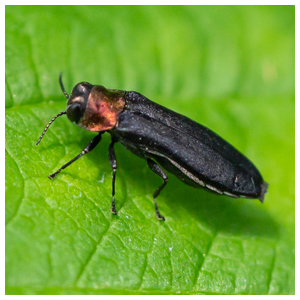
Insect Borers can be found across several very different unrelated groups of insects. They may be beetles from the order Coleoptera or from the orders Diptera (miners), Hymenoptera (sawflies and wasps) or Lepidoptera (moths).  If the pest is a beetle, please see the Beetles page and search for Wood Borers. This page will deal with miners, sawflies and wasps, and moths.

DIPTERA – MINERS
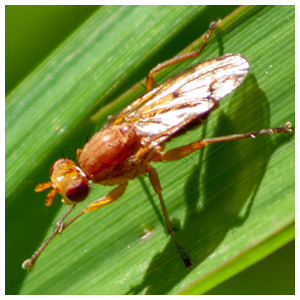
Diptera is a broad order that includes true flies, mosquitoes, gnats and midges. Two groups of flies in the families Phytobia and Agromyzidae are generally called miners because of the damage their larvae cause. The Phytobia are specific to several types of trees and cause damage to the interior layer of the cambium. The Agromyzidae are mainly leafminers affecting many different crops, vegetables, and grasses. Some Agromyzidae may devastate stems. All also feed on fungi that will infect the plant through the original damage at egg deposit, and the stem feeders may bring on root or crown rot fungus.

Life Cycle

The Phytobia life cycle begins in the late spring when a newly emerged female feeds on the tree’s sap by boring into it, and then lays her eggs, usually in the upper part of the tree on small branches.  When the eggs hatch into larvae, they bore their way down the tree; many species travel up to 15 meters to the base of the tree before they turn around and go back up.  All this is in the cambium layer, where it is unseen. Eventually, after 1-2 years, the larvae have grown enough to pupate. They exit the tree, fall to the ground, and burrow in, where they emerge the next year as adult flies ready to renew the cycle.

The Phytobia’s main economic impact is when the wood is harvested; it is full of tunnel tracks, called pith ray flecks that reduce the value of the wood and make it unsuitable for veneer. Other Phytobia attack willow and make it unusable because it weakens the wood fiber.

The Agromyzidae are mainly stem and leaf miners; the female flies in this group lay their eggs in the host plant of the soon-to-emerge larvae. Those that are stem miners pierce the stem and deposit eggs; others deposit eggs inside the leaf. Because of the damage done to the leaf or stem, fungi will usually invade. Upon emerging, the larvae travel through the leaf or stem, eating the leaf and the fungi that have grown there. Leafminer larvae must eat the fungi to survive. When they have grown sufficiently, they will exit the stem or the leaf, drop to the ground, dig in, and pupate. A few weeks later, the cycle starts again for leafminers; during the warm summers, there could be a life cycle completed every two weeks. For stem miners, the life cycle is usually a year or until the plant dies.

Pest Borer Control

  • There is no known control for Phytobia, but research has shown that the fastest growing trees and young trees are more susceptible to the miner. Monitoring could help trap the flies as they emerge in the spring. Use blue sticky traps.
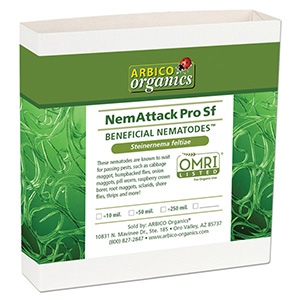
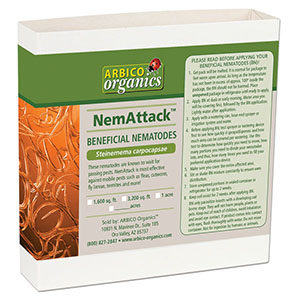
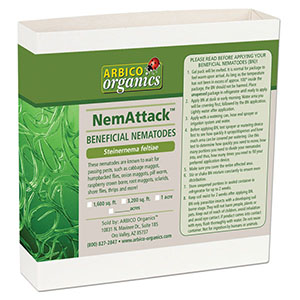
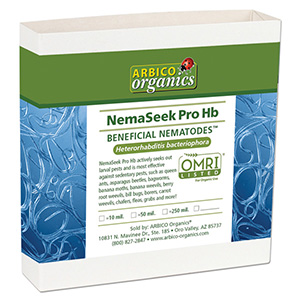
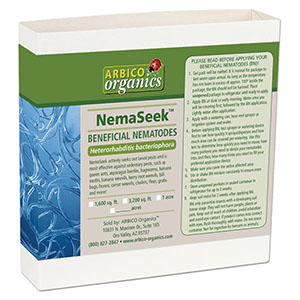
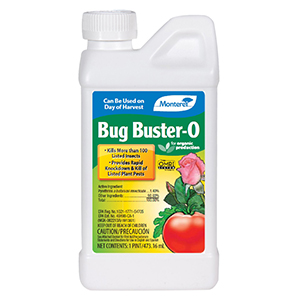
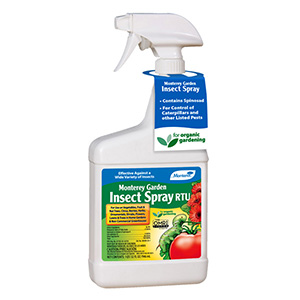
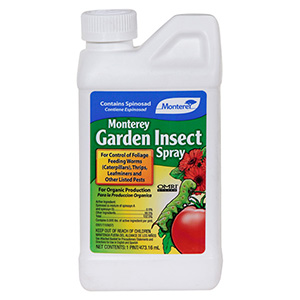
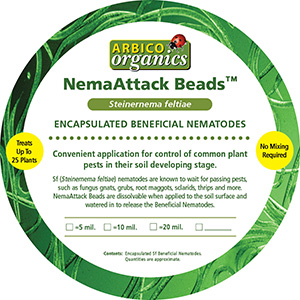
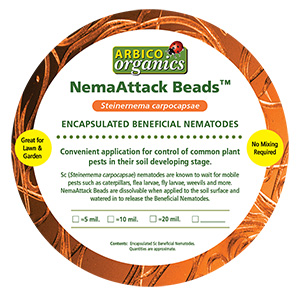
  • Agromyzidae can be controlled by Spinosad products like Monterey Insect Spray or Entrust that interrupt their life cycle as they feed on the sprayed leaves or stems. However, all insecticidal use may also deplete the naturally-occurring enemies of leafminers. Do not use insecticides unless they are labeled for leafminers. Use blue sticky traps to monitor arrival of the flies so that application can be timed correctly.  According to one study, NemAttack (Steinernema carpocapsae or Steinernema feltiae) controlled leafminer larvae when applied to L trifolii. NemaSeek (Heterorhabditis bacteriophora) will control leafminer pupae present in the soil.

Beneficial insects such as Dacnusa sibirica and Diglyphus isaea often only require release once or twice a year if they can establish well for consistent control.

Click on the borer pest control and prevention products below for more info and ordering. 

Click on the links or photos below for more infomation on these other borer pests.
Fruit fly pest control
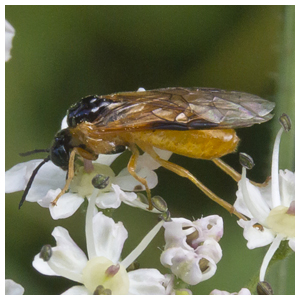
Hymenoptera – Sawflies and Horntail Wasps
This group are borer pests causes a lot of damage to trees, shrubs, grasses (both residential and agricultural), raspberries and roses.
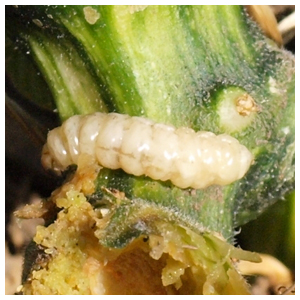
Sqaush Vine Borer Lepidoptera Moth
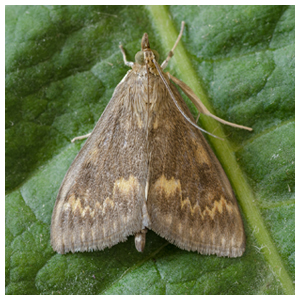
Lepidoptera – Moths
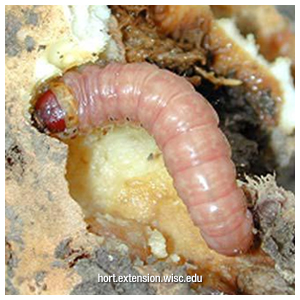
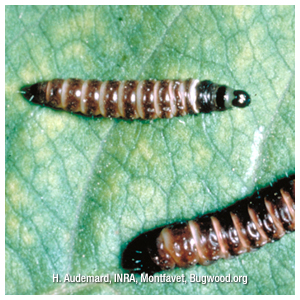
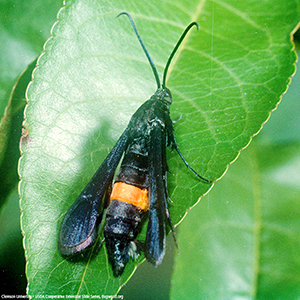
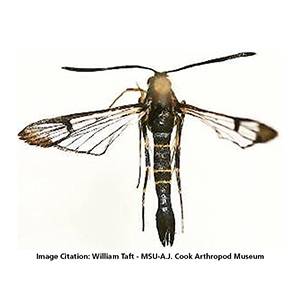
Certain moths are classified as pest borers due to their larval activity.
Other Borers - Click for more info & photos

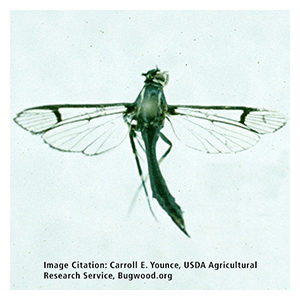
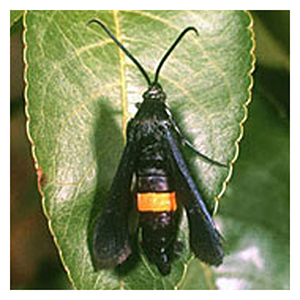
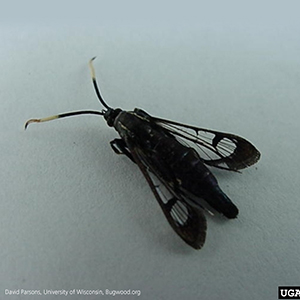
Peachtree Borer

Lesser Peachtree Borer

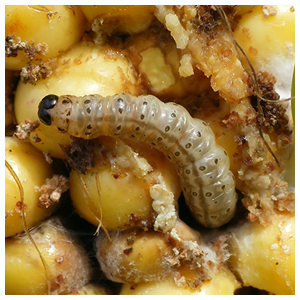
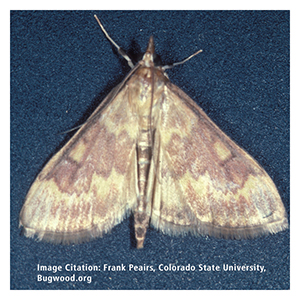
European Corn Borer

Iris Borer

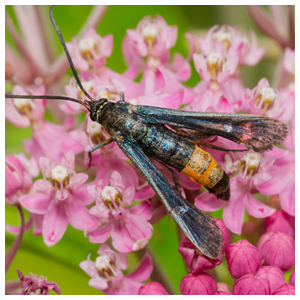
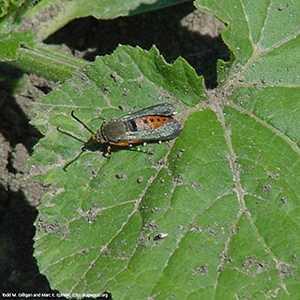
Squash Vine Borer

Red Necked Cane Borer

Sort by
Viewing Page  [1]  2   »    View All »
Live Ladybugs <I>Hippodamia convergens</I> - Shipping Included
Voracious Predators of Aphids, Mites, Thrips, Whiteflies, Mealybugs & More!

2nd Day Shipping Included
» read more
» View Options
Praying Mantis Egg Cases <I>Tenodera aridifolia sinensis</I>
Limited supply available.
Each praying mantis egg case will hatch about 200 mantids to help control pest insects in your garden or greenhouse. Mantids (mantis) eat various mites, insect eggs, aphids, leafhoppers, mosquitoes, caterpillars and other insects when young. The adult mantis will eat larger pest insects.

» read more
» View Options
Moth Egg Parasites - <i>Trichogramma</i>
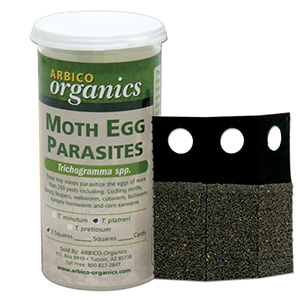
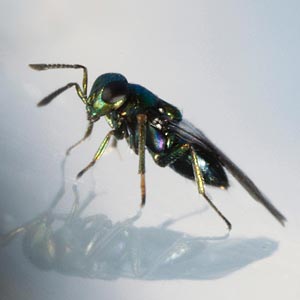
Trichogramma are tiny wasps that prey on the eggs of more than 200 moths, including borers, webworms, loopers, leafworms, fruitworms, cutworms, codling moth, bollworms and armyworms.

» read more
» View Options
Green Lacewing Beneficial Insects
Consumes Vast Quantities of Aphids, Mites, Thrips, Whiteflies & More! Also excellent pollinators!
Green Lacewing are offered in many different forms, including: eggs, larvae, larval frames, pre-fed adults, hanging release packs and weekly ship programs. Read more to find out which form of Green lacewing will be the right solution for your pest situation.
adult green lacewingreleasing beneficial lacewingsgreen lacewing larve in a bottlelarval framesgreen lacewing eggs

» read more

Monterey Garden Insect Spray
Use on outdoor ornamentals, lawns, vegetables, fruit trees & on fire ant mounds.

» read more
» View Options
Entrust® - a Naturalyte® Insect Control Product - 1 lb
1 lb will cover from 3.2 - 5.3 acres.

» read more
$598.60
Qty.
Beneficial Nematodes Nematodes will eliminate all types of pests that have a subterranean soil stage. Affordable and easy to appply!
» read more

Cool Weather Leafminer Parasitoid <I>Dacnusa sibirica</I> 250 Adults
These beneficial mini wasps combat leafminers in cooler climates.

Next Day Shipping Included
» read more
$111.95
Qty.
Warm Weather Leafminer Parasitoid <I>Diglyphus isaea</I>
These beneficial mini wasps combat leafminers in warmer climates.

Priority Overnight Shipping Included
» read more
» View Options
Safer ® Brand Insect Killing Soap with Seaweed Extract - 24 oz RTU
Control pests with this insecticidal soap.

» read more
$9.27
Qty.
Safer® Brand Insect Killing Soap with Seaweed Extract - 32 oz
Control pests with this insecticidal soap.

» read more
$9.87
Qty.
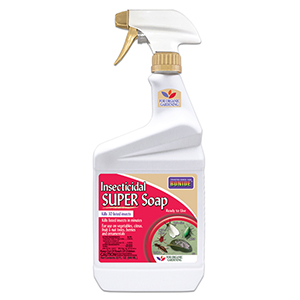
Bonide Insecticidal Soap Quart RTU
Great for houseplants, vegetables, flowers and fruits.

» read more
$11.99
Qty.
Viewing Page  [1]  2   »    View All »
Recently Viewed