Mealybugs
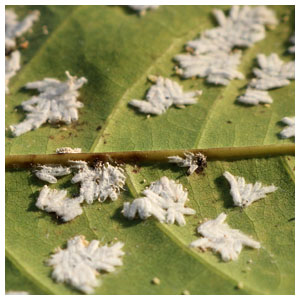
Mealybugs, also called "woolly aphids", include many species with a wide range of host plants. They are a type of soft scale coated with a woolly, waxy secretion that provides protection and decreases the effectiveness of contact insecticides. Like many other soft-bodied insects, mealybugs damage plants by feeding on sap and other cell contents.
How To Identify A Mealybug Infestation:
- The plant is covered with small, white-to-grey insects with a cottony/wooly covering clustering close to the soil or near the growing tips.
- Honeydew is present on plant surfaces, with or without sooty mold.
- Infested plants may have a distorted stem and/or new growth.
- Reduced plant vigor and health overall after mealybugs have been identified.
- Ant presence near new growth harvesting honeydew.
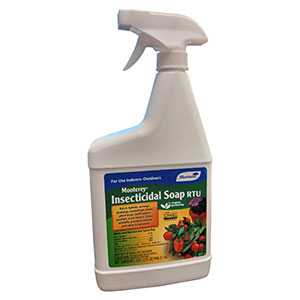
- Spray Insecticidal Soap directly onto visible mealybugs for control. The insecticidal soap serves as a contact insecticide and does not have residual effects, so repeated applications are necessary for continued control.
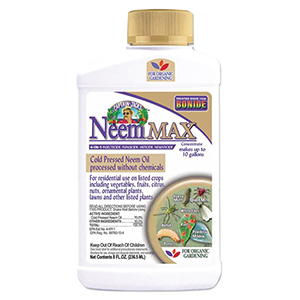
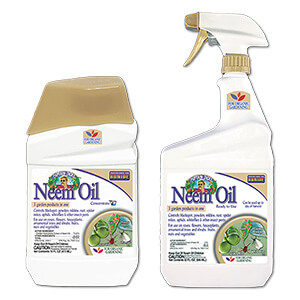
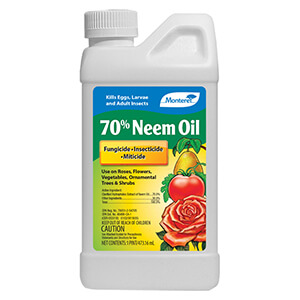
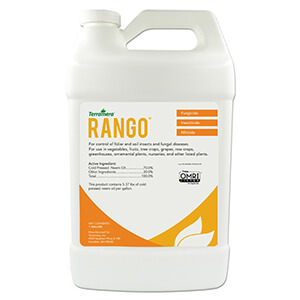
- Monterey Neem Oil can be applied directly to active infestations. It will kill all stages of mealybugs on contact. Use caution applying neem oil when pollinators are present.
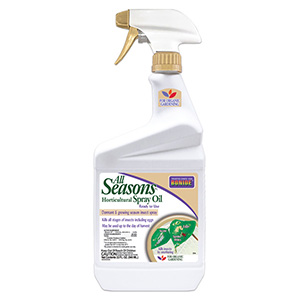
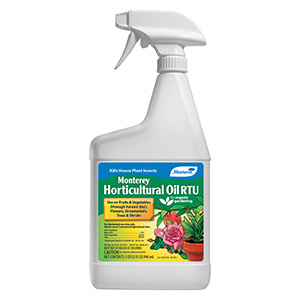
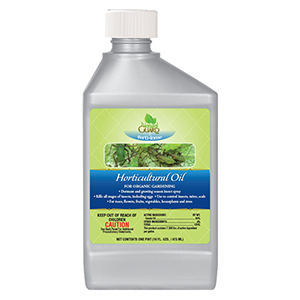
- Monterey Horticultural Oil applications will kill overwintering eggs and smother immature and adult mealybugs when temperatures are <85°F.
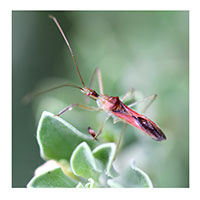
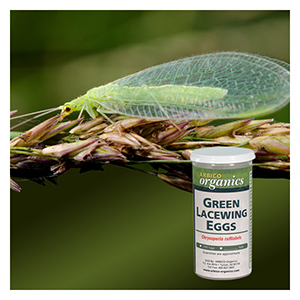
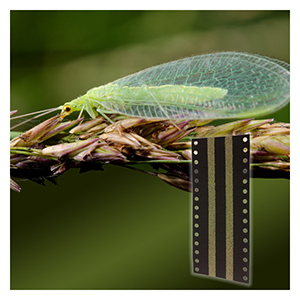
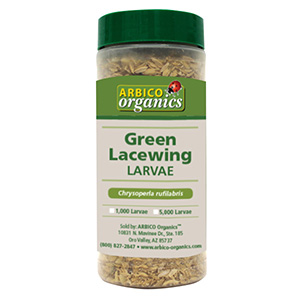
- General Predators can be introduced early in the growing season to help control mealybugs. Generalists include Assassin Bugs, Green Lacewings, and Minute Pirate Bugs.
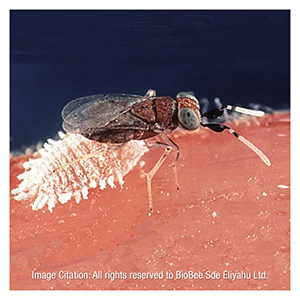
- Early season releases of Mealybug Parasite help limit population growth and control mealybugs in low numbers. These work well for vine mealybug control when combined with Cryptolaemus.
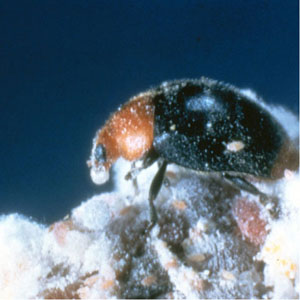
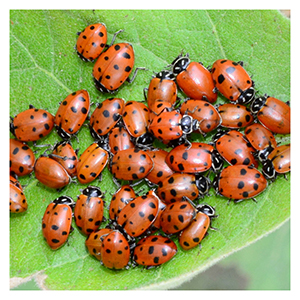
- Mealybug Destroyers (Cryptolaemus montrozeuri) can be released to control severe mealybug infestations. They are dark brown ladybugs with orange heads whose preferred food sources are the various life stages of mealybugs.
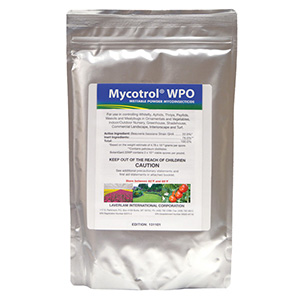
- If mealybug issues persist after Beneficial Insects have been released, use a Beauveria bassiana product like Mycotrol WPO so that the beneficials are not harmed.
-
$25.00–$262.50
-
$77.00–$1,200.00
-
$27.00–$6,000.00
-
$30.00–$100.00
-
$26.00–$180.00
-
-
$12.95–$19.95
-
-
$23.99
-
$275.00–$2,495.00
-
$19.99–$1,297.00
-
-
$13.99–$20.99
-
$11.97–$34.99
-
$95.00–$1,026.00
-
$110.00–$1,296.00
-
$115.00–$1,314.00
-
$615.00
-
$12.99–$24.95
-
$13.99–$15.99
-
$125.00–$225.00
-
$260.00–$936.00
-
$750.00–$2,700.00
-
$80.00–$1,026.00
-
$150.00–$270.00
-
$12.99–$23.99
-
$16.99–$39.99
-
$16.99–$39.99
-
$18.00–$65.00
$13.75–$45.00 -
$288.00–$1,555.20
-
$73.80–$3,005.00
-
$12.99–$139.99
$12.99–$99.00 -
$350.00–$975.00
-
$29.49–$45.99
-
$10.99–$32.49
$6.00–$32.49 -
-
$14.99–$144.49
-
$125.00–$1,350.00
-
$19.99
$15.00 -
$270.00
-
$67.78–$2,169.50
-
$13.99
-
$8.99–$1,029.00
$5.50–$1,029.00 -
$38.50–$4,350.00
-
$35.00–$285.00
-
$280.00
-
$34.95–$395.98
-
$93.00
-
$10.99–$17.99