


Pest Control Solutions
When it comes to effective pest control, the consumer can have an almost overwhelming variety of choices. One can approach pest control by targeting a specific pest, or by method of application, whether the problem is an indoor or outdoor pest, by a specific pesticide manufacturer, by whether it is a non-synthetic product, by the type of crop being grown and or even by method of application. Pest control may even be just a matter of monitoring your pest situation before taking further action. Here are some guidelines to get you going.
PEST IDENTIFICATION
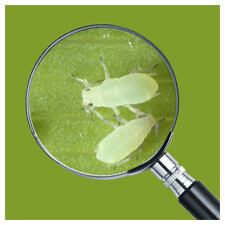
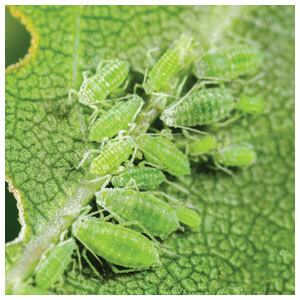
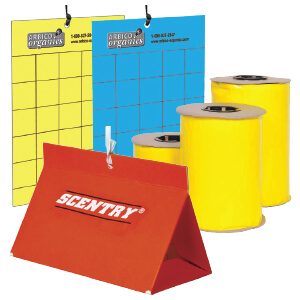
The most practical route to effective pest control begins with identifying the pest that needs to be controlled. Different pests require different methods of control. For instance, what works best against grubs will not be effective against flies. In addition to determining just which pest is active, knowing its life-cycle is also helpful as certain products work best during specific life-stages. Using pest traps can assist in trapping pests for identification as well as monitoring infestation levels.
CONTROL METHODS
Choosing a method depends on the pest as well as personal preferences, costs, and specifics of the growing situation (backyard, greenhouse, garden, farm, commercial, etc.).
- Physical pest control: Includes traps, barriers and exclusion.
- Chemical pest control: Includes biopesticides/insecticides and baits.
- Biological pest control: Using predatory insects/organisms and fungi/bacteria , such as Beauvaria bassiana.
INTEGRATED PEST MANAGEMENT
This approach to pest control is what we here at ARBICO Organics recommend. It emphasizes long-term pest prevention and includes planning before planting, soil preparation, trapping and monitoring, and using a variety of control methods. The goal is to reduce or eliminate synthetic pesticide use and allow the plant to thrive as naturally as possible.