

Top Picks
Featured Products:
-
 $6.50–$332.00
 -
 $10.99–$1,399.00
 -
 $32.99–$1,582.20
 -
 $18.95–$20.00
 -
 $20.74–$199.10
 -
 $145.00
 -
 $35.00–$4,400.00
 -
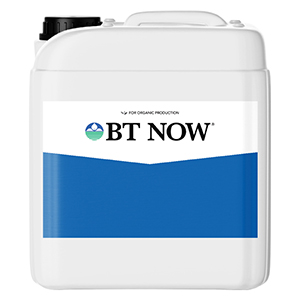 $79.99–$170.00
 -
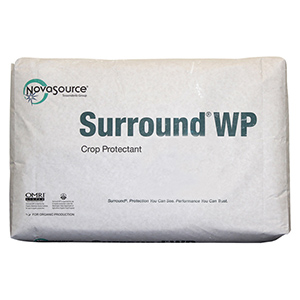 $56.25
 -
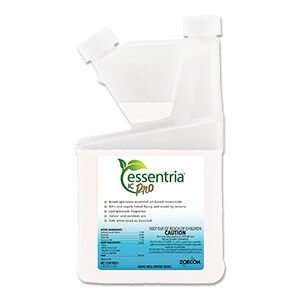 $40.99–$129.99
 -
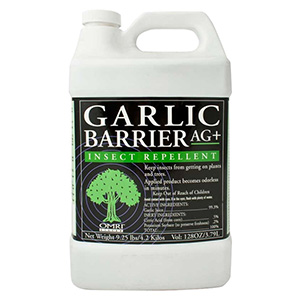 $73.80–$3,005.00
 -
 $115.00–$440.00
 -
 $34.95–$395.98
New Products
New Products:
-
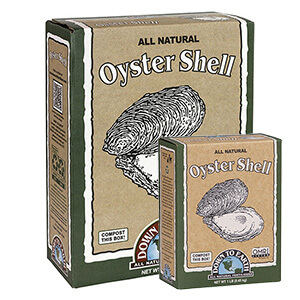 $4.79–$13.99
 -
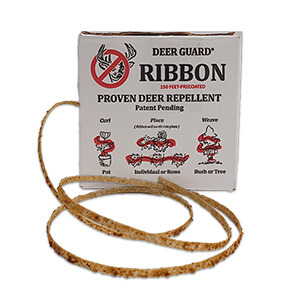 $24.95–$59.95
 -
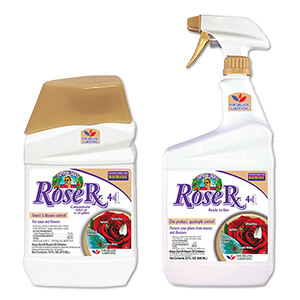 $10.99–$17.99
 -
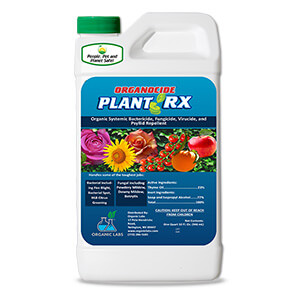 $26.46–$390.98
 -
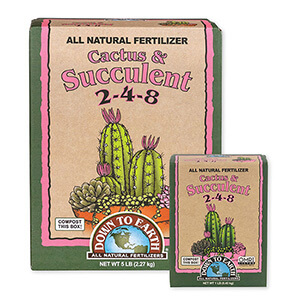 $4.99–$17.99
 -
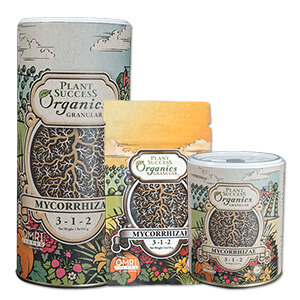 $3.99–$19.99
 -
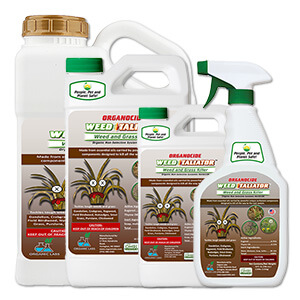 $13.05–$209.77
 -
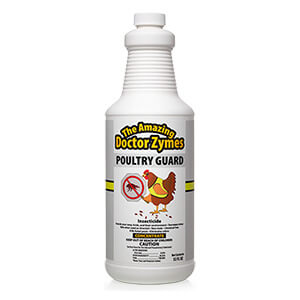 $37.26–$613.87
 -
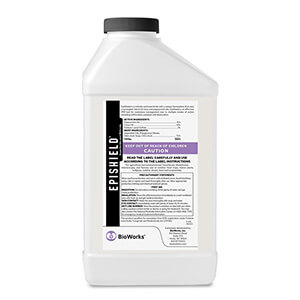 $288.00–$1,212.00
 -
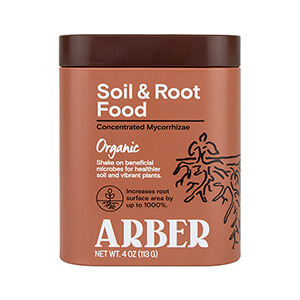 $15.99
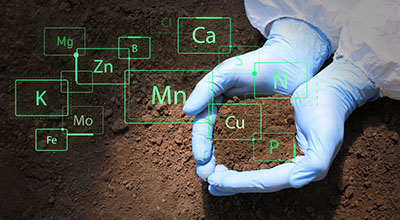
FEATURED BLOG POST
Why It is Important to Test and Know Your Soil
April 3, 2024
You've likely heard something along the lines of, "Good soil makes good crops" if you've been gardening for any amount of time, but do you know what makes quality soil? And if you do understand what goes into good soil, do you know how to check if your soil measures up?
Events & Dates:
Feb. 1, 2024
Feb. 1, 2024
Feb. 29, 2024
April 1, 2024




Sales and Customer Service:
800-827-2847
or (520) 825-9785
Retail Store & Corporate Office
10831 N. Mavinee Drive, Suite 185
Oro Valley, AZ 85737-9531
©2024 ARBICO Organics. All Rights Reserved.
