|
Beneficial Insects - Predators & Parasites
| Natural Pest Control for Gardens, Greenhouses & Farms Using Beneficial Insects from ARBICO Organics. |
| |
| Beneficial insects are used to control pest insects in an Integrated Pest Management (IPM) program. An IPM program has four components: the judicious use of chemicals, the use of traps to monitor and capture pest insects in their adult stage, management and cultural techniques to improve the overall status of the situation, and the use of beneficial insects to kill pest insects in their early developmental stages.
Beneficial insects do not harm people, plants, or pets. For maximum effectiveness, they should be released when pest densities are low to medium. Keep in mind that beneficials are not pesticides and they are not a miracle cure. Just as it takes a long time for pest problems to evolve, it also takes time before beneficials can resolve them. A little patience pays off!
All beneficial insects are sent with release instructions and recommendations to maximize their effectiveness. An ARBICO consultant can help you select and utilize your beneficials via phone, FAX, or letter, or on site when appropriate.
Beneficial Insect Dosage Key
1 Acre = 43,560 square feet.
1 Square Yard = 9 square feet
Beneficial Insects Offered: Listed below are the beneficial insects we have available. Click on any item for more information and ordering. |
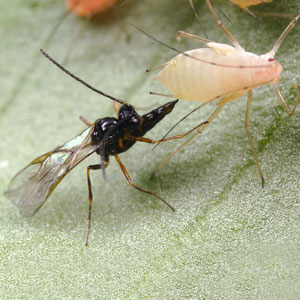
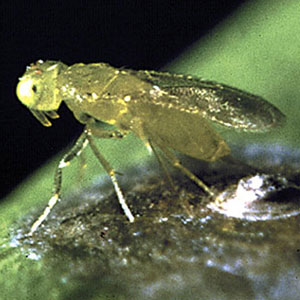
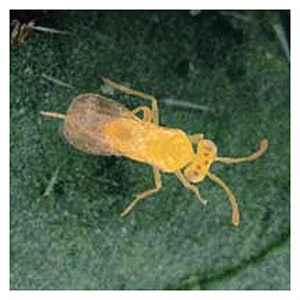
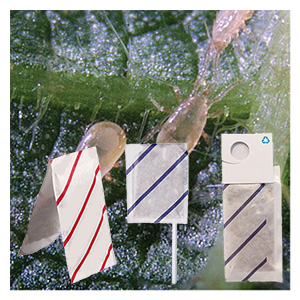
| This beneficial insect is the aphid parasite Aphidius ervi, attacking an aphid. Attracting & Feeding Beneficial Insects:
All beneficial insects need food, water, and a compatible habitat. To help fulfill these needs, we highly recommend our Good Bug Power Meal and Good Bug Blend Seed Mix. |
|
| |
| Aphid Parasite, Aphidius colemani
Aphid Predator, Aphidoletes aphidimyza
Aphid Parasite, Aphelinus abdominalis
Aphid Parasite, Aphidius ervi
Beneficial Nematodes
Cool Weather Leafminer Parasitoid, Dacnusa siberica
Decollate Snail, Rumina decollata
Fly Parasites - Fly Eliminators |
Green Lacewing, Chrysoperla sp
Ladybug Beetle, Hippodamia convergens
Mealybug Destroyer, Cryptolaemus montrouzieri
Mexican Bean Beetle Parasite, Pediobius foveolatus
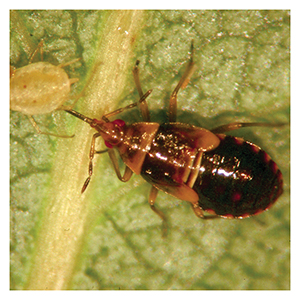
Minute Pirate Bug, Orius insidiosus
Mite Predator, Neoseiulus californicus
Mite Predator, Neoseiulus fallacis
Mite Predator, Mesoseiulus longipes |
Mite Predator, Galendromus occidentalis
Mite Predator, Phytoseiulus persimilis
Moth Egg Parasites, Trichogramma
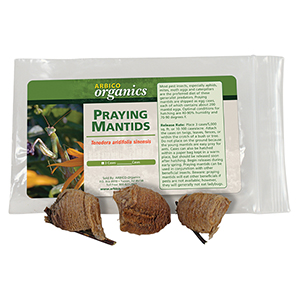
Praying Mantid, Tenodera aridifolia sinensis
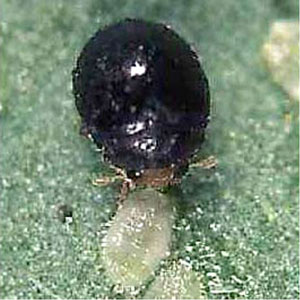
Purple Scale Predator Lindorus lophanthae
Red Scale Parasite, Aphytis melinus
Spider Mite Predator, Feltiella acarisuga
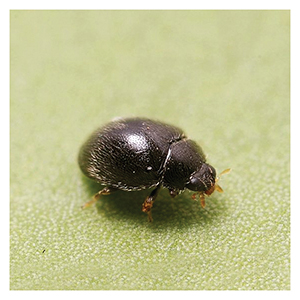
Spidermite Destroyer, Stethorus punctillum |
Spined Soldier Bug, Podisus maculaventris
Sweet Potato Whitefly Predator, Delphastus catalinae
Thrips Mites, Hypoaspis sp. Geolaelaps sp.
Thrips Mite Cucumeris / Amblyseius Neoseiulus
Warm Weather Leafminer Parasitoid, Diglyphus isaea
Whitefly Parasite, Encarsia formosa
Whitefly Parasite, Eretmocerous eremicus |
|
|
|
Aphidius ervi prevents outbreaks of larger aphid species in greenhouse environments.
read more...
|
|
Aphidoletes aphidimyza attack and feed upon over 60 different species of aphids.
read more...
|
|
Use Aphelinus abdominalis in greenhouses or the field to prevent outbreaks of Macrosiphum euphorbiae (Potato aphid) and Aulacorthum solani (Foxglove aphid).
read more...
|
|
Aphidius colemani prevents outbreaks of smaller aphid species such as Aphis gossypii, Myzus persicae and Myzus nicotianae in greenhouse environments.
read more...
|
|
Introduce Pediobius foveolatus at the first sign of a Mexican bean beetle population.
read more...
|
|
Temporarily Unavailable Until March 18th, 2013. Decollate snails are omnivores that feed on brown garden snails, snail eggs, slugs and decomposing organic matter.
read more...
|
|
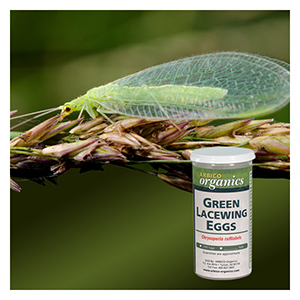
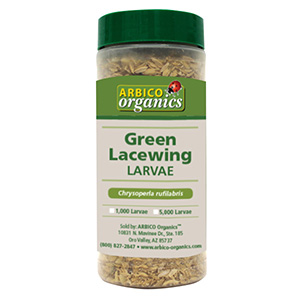
Green Lacewing Larvae Consume Large Quantities of Aphids, Mites, Thrips, Whitefly & More!
read more...
|
|
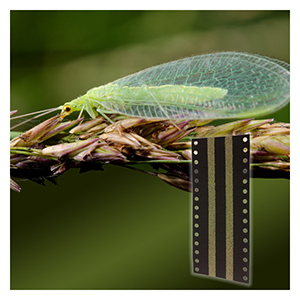
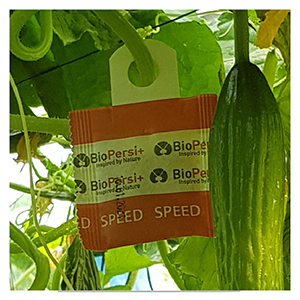
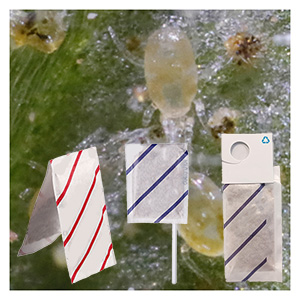
The Hanging Release pack is a thin paper container that can easily be hung or stapled in place.
read more...
|
|
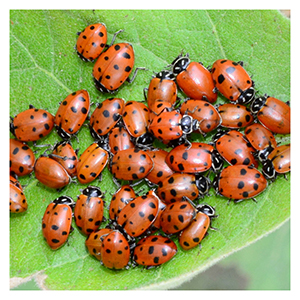
Excellent aphid predators! Ladybird beetles will also feed on whitefly, mite, thrips, mealybugs and other soft-bodied pests.
read more...
|
|
Release warm weather leafminer parasites (Diglyphus isaea) to prevent Agromyzid leafminers during warm weather and in greenhouses.
read more...
|
|
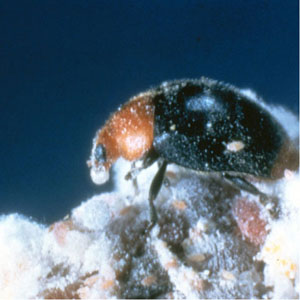
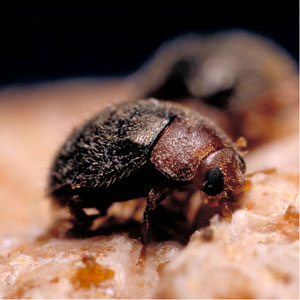
Stethorus punctillum adults and larvae consume hundreds of spider mites on cucumber and pepper plants. Compatible with predatory mites.
read more...
|
|
Use Dacnusa sibirica during cool weather to prevent leafminer damage on tomato crops. Works best when used in conjunction with Diglyphus isaea.
read more...
|
|
Temporarily Unavailable. These Predators Feed on Beetles, Loopers and Worms
read more...
|
|
Rhyzobius (=Lindorus) lophanthae devour both soft and hard scale insects in any type of growing environment.
read more...
|
|
Aphytis melinus provides excellent control of California red scale and many other armored scale pests.
read more...
|
|
Delphastus catalinae are voracious consumers of whitefly eggs and nymphs. Compatible with whitefly parasites.
read more...
|
|
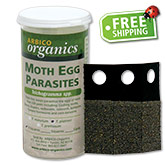
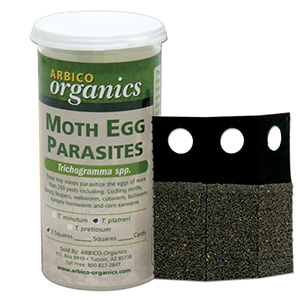
Use This Variety if You are East of the Rockies - Trichogramma minutum
read more...
|
|
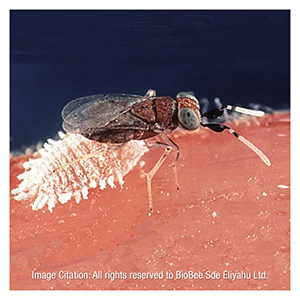
Control Greenhouse whitefly (Trialeurodes vaporariorum) with this parasitoid wasp.
read more...
|
|
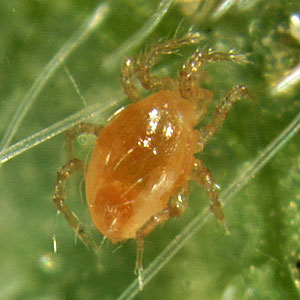
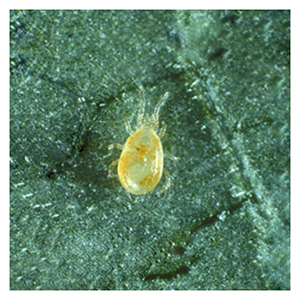
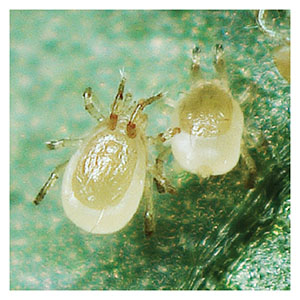
Neoseiulus californicus can survive when there is low spider mite density by feeding on pollen and other small arthropods. Survives a wide range of temperature and can tolerate lower humidity (40%RH).
read more...
|
|
Galendromus occidentalis are excellent predators in hot and dry cropping environments--particularly effective against spider mites on orchard crops.
read more...
|
|
Use Mesoseiulus longipes to clear up spider mites in hot greenhouses--tolerates low humidity.
read more...
|
|
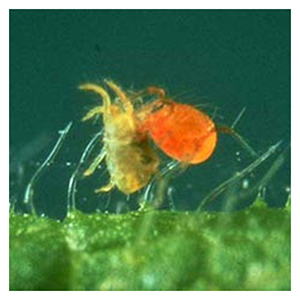
Excellent general predator of many different mite pests. Survives well when pest densities are low.
read more...
|
|
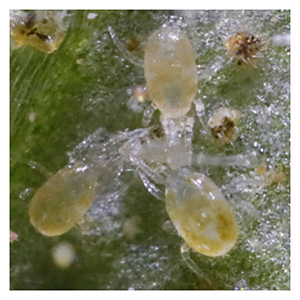
Prevent Thrips From Becoming Established With This Excellent Predator. Amblyseius cucumeris (= Neoseiulus cucumeris) Feeds on Thrips Larvae and Other Small Arthropod Pests.
read more...
|
|
Use these beneficial mites to control fungus gnat larvae, thrips pupae and springtails in the soil.
read more...
|
|
Feltiella acarisuga are helpful predators for control of widespread spider mite infestations.
read more...
|
|